
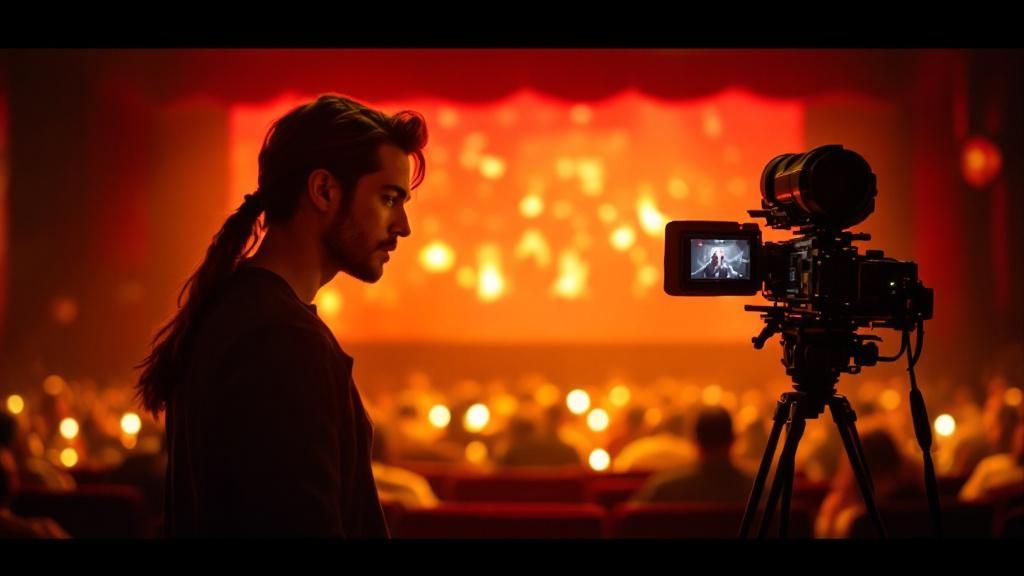
The theatre has undergone a significant evolution in recent years, as cutting-edge cinematic techniques revolutionise the way spectators interact with stories on stage. From immersive visual projection and digital scenery to advanced lighting systems and audio design, modern theatres are combining conventional theatrical craft with contemporary visual technology. This article explores how these innovative approaches are redefining theatrical narratives, strengthening emotional resonance, and producing unforgettable experiences that dissolve the lines between cinema and live performance, ultimately redefining what audiences expect from theatre in the modern era.
The Progress of Visual Storytelling
The journey of stage narrative in theatre has undergone major evolution over the preceding century. From simple starts with painted backdrops and candle-lit performance spaces, theatrical presentation has evolved into a intricate combination of art forms. First advances brought in electrical illumination and automated sets, dramatically reshaping how stories could be told. However, the real turning point emerged when stage professionals began embracing motion picture methods, acknowledging that audiences’ expectations had changed significantly after many years of motion picture consumption.
Contemporary theatres now harness cutting-edge projection systems that would have seemed inconceivable mere years past. Advanced mapping technology produce immersive three-dimensional spaces that react immediately to performers’ movements and dramatic beats. These projected imagery go beyond simple aesthetics, becoming essential storytelling tools themselves. Directors utilise these tools to condense timeframes, move between spaces effortlessly, and represent abstract ideas that conventional theatre techniques cannot communicate. The combination of live theatre with film-like accuracy has created unprecedented creative possibilities.
This evolution illustrates broader cultural shifts in how spectators process information and experience performance. Modern digital audiences expect advanced visual language, whilst traditionalists appreciate the authentic theatrical experience that cinema is unable to replicate. Modern theatres skillfully manage this balance, utilising cinematic techniques to enhance audience emotion without diminishing the incomparable dynamism of live theatre. This collaboration between classical and contemporary has profoundly reshaped theatrical art for today’s theatre-goers.
Engaging Audio Design and Spatial Sound Technology
Modern theatre stagings employ sophisticated sound design systems that exceed traditional speaker-based sound. Immersive audio platforms produces three-dimensional soundscapes, permitting sound to flow seamlessly around the theatre space, enveloping audiences in immersive sonic spaces. This cutting-edge technique alters how spectators perceive narrative elements, making dialogue, music, and effects appear genuinely woven within the theatrical space rather than just broadcast from speakers.
The integration of Dolby Atmos and comparable immersive sound technologies has become increasingly common in modern theatres. These systems enable sound designers to place sound components accurately across the auditorium, including overhead channels that deliver substantial spatial richness. By utilising this technology strategically, performances create emotional resonance that enhances pivotal scenes, sharpens comedic delivery, and establishes atmospheric tension in ways traditional stereo systems cannot achieve.
- Spatial audio positions sound throughout three-dimensional theatrical spaces with precision.
- Dolby Atmos system enables accurate overhead and directional audio positioning.
- Rich audio environments enhance emotional resonance among actors and spectators.
- Sound design enhances visual projections for cohesive sensory experiences.
- Advanced systems support intricate story elements through sonic narrative methods.
Theatre sound engineers now partner with directors and cinematographers to guarantee audio enhances visual elements without disruption. This cross-disciplinary collaboration recognises that today’s audiences expect cinema-standard audio combined with advanced production design. Consequently, productions commit substantial resources in audio technology, guaranteeing theatres feature proper technical systems for providing absorbing audio environments that match cinema sound quality whilst preserving the spontaneity and genuine character inherent to live theatrical performance.
Digital Projection and Colour Correction Innovation
Digital projection technology has substantially revolutionised theatrical presentations, enabling productions to display breathtaking imagery sequences with unprecedented clarity and detail. Modern theatres now employ sophisticated projection technology capable of producing intricate details, vibrant imagery, and seamless transitions that engage spectators from the start. This technological advancement enables directors to craft engaging spaces that complement stage acting, converting performance spaces into dynamic canvases where cinematic storytelling merges effortlessly with theatrical tradition, enriching the overall narrative experience.
Colour grading represents a vital innovation in contemporary theatrical design, offering technicians refined tools to manipulate visual atmospheres and enhance emotional impact. By methodically balancing hues, saturation levels, and contrast ratios, colour graders develop unique atmospheres that resonate with narrative themes and character development. This meticulous approach to colour management ensures that every scene maintains compositional consistency whilst evoking specific emotional responses, allowing audiences to experience stories through a carefully curated visual language that amplifies dramatic tension and psychological depth throughout performances.
The merging of digital display technology and colour grading has substantially changed viewer expectations regarding visual presentation and story excellence. Theatrical works now utilise these tools to produce visually stunning settings that rival film experiences whilst preserving the irreplaceable vitality of live performance. This fusion of classic theatre and contemporary film techniques shows how technological progress can strengthen rather than diminish stage artistry, creating novel criteria for immersive experiences that keep developing as technology advances.
